Opening a Franchise: What Oregon Entrepreneurs Should Weigh Before Taking the Leap

Launching a franchise can feel like stepping into a familiar story with a new role—someone else has written the script, but you still need to deliver the performance. For business owners and soon-to-be founders in the Oregon, Wisconsin area, this decision is both an economic opportunity and a long-term community commitment. Below are the essential considerations to keep your footing steady as you evaluate whether franchising is the right path.

Learn below:

Understanding Your Local Fit in Oregon, Wisconsin

Oregon’s mix of established neighborhoods, commuter families, and local-first preferences makes business selection more nuanced than simply choosing a high-profile franchise. Early planning should focus on how well the franchise brand aligns with community needs, economic patterns, and competitive density.

Key Factors You Should Keep in Mind

Before diving deeper into financials and operations, here is a focused set of considerations that shape franchise success.

  • Strength of the franchisor’s training and support system

  • Long-term brand outlook, especially for emerging vs. mature franchises

  • Ability to meet staffing and scheduling demands at launch

  • Territory protections and how close other franchisees may operate

  • Whether the franchise’s values resonate with Oregon-area consumers

Checklist for Making the Call

Use this to determine whether you’re ready to move forward with due diligence.

        uncheckedConfirm your total investment requirements—including buildout, equipment, and working capital
        uncheckedReview the Franchise Disclosure Document with professional support
        uncheckedEvaluate demand realistically through local market research
        uncheckedValidate the franchisor’s claims by interviewing existing franchisees
        โ€‹uncheckedStress-test your personal timeline, involvement level, and revenue expectations

Evaluating the Economics of a Franchise

The math behind franchising extends far beyond startup costs. Royalty fees, advertising contributions, mandated vendors, and renewal fees all affect your margins. Businesses in community-oriented towns like Oregon often succeed by blending franchise systems with local engagement, but only if the economics hold up.

Managing Financial Documents the Modern Way

For franchise owners, especially those managing inventory, payroll, and vendor records, implementing a structured document management process is essential for consistency and audit-readiness. Using organized digital storage helps track financial statements, contracts, and receipts without drowning in paperwork. 

Saving files as PDFs improves formatting stability and makes records easier to preserve for compliance. And when you need to consolidate information, understanding how PDF page extraction works can help you combine selected pages into a single, clean financial packet.

A Closer Look at Franchise Comparisons

This quick table gives you a sense of how franchising compares to independent ownership when planning for a local market like Oregon, WI.

Here’s a simple comparison to help you think through operational control and support:

Consideration

Franchise Model

Independent Business

Branding

Predefined and consistent

Fully customizable

Startup Time

Faster due to tested systems

Longer due to ground-up build

Creative Control

Limited

Full

Training

Provided by franchisor

Self-directed

Community Adaptability

Moderate

High

Operations and Staffing: The Work Behind the Brand

Even franchise systems with highly automated workflows require hands-on management, especially during the first year. Staffing constraints can be more visible in smaller towns, so plan ahead for recruiting, scheduling, and retention. The franchisor’s playbook helps, but your day-to-day leadership will determine the culture.

Before You Decide: What People Usually Ask

What ongoing fees should I expect?
Typically royalties, national marketing contributions, and renewal fees—each outlined in the Franchise Disclosure Document.

Do franchisors guarantee success?
No. They provide systems and brand power, but performance depends heavily on local execution.

Is financing easier with a franchise?
Sometimes. Lenders may view known brands as lower risk, but your personal financial history still carries significant weight.

How do I know if my community is the right match?
Review demographic data, traffic patterns, and nearby competitors; then compare community needs to what the franchise offers.

Opening a franchise in Oregon, Wisconsin is both a strategic and deeply personal decision. When you consider market alignment, financial readiness, operational demands, and long-term community fit, you’re better prepared to choose a concept that can root itself successfully. Talk with current franchisees, study the brand’s trajectory, and evaluate whether the opportunity strengthens both your business future and the local economy. With clarity and due diligence, franchising can become a rewarding path to local impact.

 
Contact Information
phone: (408) 753-5826
Why Better Warehousing Could Be Your Growth Engine

The obsession with business growth often focuses on sales strategy, product development, or marketing firepower. But the unsung battlefield where profit is won or lost remains behind the scenes—inside the warehouse. While flashy customer acquisition campaigns steal the spotlight, the systems that move, store, and deliver inventory quietly determine whether a business scales or stalls. For companies in e-commerce, manufacturing, and even retail, fine-tuning warehouse operations management isn’t just a matter of logistics—it’s a lever for strategic expansion.

Flow Before Forecasts

Improving warehouse operations starts with fixing the flow. Before any forecasting or tech upgrades, companies need to understand how goods actually move within their storage spaces. When inventory travels an inefficient path from arrival to shipment, the entire operation drags. Redesigning layouts, minimizing travel distances, and creating logical groupings of inventory can cut hours off each shift—and slash labor costs in the process. A warehouse that flows well makes every other improvement exponentially more effective.

Let Data Be Your Dock Supervisor

Warehouses often drown in data without drawing real insight from it. The problem isn’t a lack of metrics—it’s a lack of meaningful interpretation. Leaders who integrate live inventory data with predictive analytics gain a sharper view of demand trends, stockout risks, and fulfillment bottlenecks. Real-time dashboards can help supervisors prioritize tasks dynamically rather than relying on static, outdated paper orders. When a warehouse starts reacting to signals instead of guesswork, it transitions from chaotic to competitive.

Smarter Shelving Isn’t Just for IKEA

Reimagining how products are stored can transform both speed and accuracy. Businesses often underestimate the ripple effects of poor shelving logic: slow pick times, increased returns due to errors, and physical strain on staff. Implementing intelligent slotting—where high-velocity items are placed within easy reach and complementary products are grouped—turns basic storage into a tactical advantage. It’s not about cramming more onto shelves; it’s about turning those shelves into launchpads for efficiency.

Documents Deserve a System Too

Keeping your warehouse-related paperwork in order isn't just about tidiness—it’s about control, compliance, and clarity. Whether you're storing equipment manuals, maintenance logs, safety procedures, or supplier contracts, every document should have a designated digital home and a logical folder hierarchy. Saving sensitive documents as password-protected PDFs can add a necessary layer of security, especially for materials involving financials or employee records. If collaboration is needed, you can always adjust the settings using common methods to remove a PDF password, making the file accessible to multiple users without compromising organization.

Labor Management Is Culture Management

No automation tool replaces the value of a well-trained, motivated team. Too many operations leaders treat labor purely as a line item rather than a dynamic system in need of coaching, communication, and continuity. Warehouses that offer consistent training, clear paths for advancement, and feedback loops between floor staff and leadership often outperform tech-heavy rivals. People are more likely to flag issues, adapt quickly, and sustain peak productivity when they feel invested in—and not expendable to—the system.

Tech That Pays Its Own Way

Warehouse technology doesn’t have to mean robotics or million-dollar systems. For most growing businesses, the real ROI comes from simple tech that solves daily friction points: barcode scanners that reduce error rates, mobile apps that eliminate paperwork, or warehouse management systems (WMS) that centralize operations. The key is implementing tools that fit the current size and growth curve of the business, not what looks impressive on a demo video. Scalable tech stacks—starting modestly and expanding smartly—outperform flashy, bloated rollouts every time.

Returns Aren’t a Nuisance—They’re a Mirror

Returns management often sits at the bottom of the warehouse operations priority list, yet it offers some of the most actionable insights into inventory quality, customer satisfaction, and process gaps. Mishandling returns creates both operational drag and reputational damage. Streamlining how returns are received, inspected, restocked, or written off can recover revenue and refine future purchasing decisions. In an era where consumers expect hassle-free returns, getting this right isn’t just a cost-control move—it’s a competitive necessity.

Warehouse operations rarely make it into strategic planning decks, but they shape the outcomes of nearly every bold initiative. Better marketing brings more orders. Smarter sales close larger accounts. But if the back end can’t keep up, those wins turn into customer complaints and balance sheet headaches. Growth-minded leaders must stop treating warehouse management as an afterthought and start viewing it as infrastructure. Because at the end of the day, what leaves the warehouse shapes how the business is remembered.


Discover the vibrant community of Oregon, WI, where business thrives and families flourish—visit the Oregon Area Chamber of Commerce to explore events, opportunities, and the charm of small-town living just minutes from Madison!

 
Contact Information
phone: (408) 753-5826
Buying a Struggling Business: How to Turn Weakness into Opportunity

TL;DR

Buying a struggling business can be a smart shortcut to market entry — but only if you understand why it’s struggling, what assets still have value, and how to reposition it.
Key steps include:

  • Assessing financial and operational health before the deal
     

  • Evaluating team culture and brand reputation
     

  • Aligning the business to current market needs
     

  • Rebuilding visibility, customer trust, and process efficiency
     

  • Implementing modern growth tools like all-in-one business platforms for marketing and management


Introduction

When you buy a struggling business, you’re not just purchasing its products or location — you’re acquiring its history, mistakes, and hidden potential. The difference between revitalization and failure often comes down to due diligence and adaptation.

Businesses that perform structured turnarounds within six months of acquisition are 3x more likely to sustain profitability than those that delay action.


1. Why Businesses Struggle

Common causes include:

  • Poor cash flow management
     

  • Outdated business models
     

  • Weak online visibility or digital infrastructure
     

  • Owner burnout and leadership gaps
     

  • Lack of customer retention programs

Key Insight: You’re not buying a failure — you’re buying a learning curve that someone else paid for.


2. The Opportunity Hidden in Distress

A struggling business can hold strategic value:

  • Existing customer base: Even if inactive, it provides leads and data.
     

  • Assets & licenses: You save months (or years) in setup and compliance.
     

  • Location & logistics: Established supply chains and contracts reduce friction.
     

  • Brand recognition: Easier to fix a reputation than to build awareness from zero.

Before proceeding, benchmark your target against sector data using tools like Statista.


3. Key Considerations Before Buying

๐Ÿงพ Financial Health Checklist

Factor

What to Examine

Why It Matters

Profit & Loss Statements

Minimum 3 years of data

Reveals long-term trends

Cash Flow

Daily/weekly reports

Detects liquidity stress

Debt Obligations

Loans, liens, credit

Hidden liabilities can destroy ROI

Customer Retention

CRM data or email list health

Indicates future income potential

Inventory & Assets

Valuation vs. depreciation

Prevents overpayment for obsolete stock

Tip: Request a full due diligence pack and a non-compete clause from the seller.


4. How to Adapt the Business to Today’s Market

Step-by-Step Playbook

Step 1 — Reassess Product-Market Fit
Research how the market has shifted. Use Google Trends to analyze search demand and competitor growth.

Step 2 — Rebuild Customer Trust
Implement public communication via updated websites, reviews, and social media. Tools like Trustpilot and G2 can help restore credibility.

Step 3 — Optimize Operations
Introduce automation for bookkeeping, CRM, and project management using modern software (e.g., HubSpot or QuickBooks).

Step 4 — Rebrand with Clarity
Retain legacy strengths but clarify your new purpose and value proposition. Keep the original name only if sentiment is net positive.

Step 5 — Relaunch with Structure
Prioritize local SEO, AI-friendly content formats, and structured data. (See Google Business Profile for local presence upgrades.)


5. Marketing Your Revived Business

Relaunching means reintroducing the brand — with precision.
Use storytelling and consistent visuals, but back them with performance metrics.

Pro Tip: Focus on measurable signals like click-through rates, AI citation visibility, and local engagement, not just social likes.

Integrate Technology for Growth

Consider using an all-in-one business platform like ZenBusiness — it helps entrepreneurs run, market, and grow their businesses efficiently. Whether you’re creating a professional website, adding e-commerce capabilities, or designing a new logo, such platforms provide the expert support and structure you need to scale sustainably.


6. Common Mistakes to Avoid

  • โŒ Ignoring root causes (don’t fix symptoms — fix structure)
     

  • โŒ Retaining toxic management teams without reassessment
     

  • โŒ Overestimating brand equity
     

  • โŒ Skipping post-acquisition audits
     

  • โŒ Launching without a modernized online presence


7. Mini-Checklist: Turnaround Readiness

โœ… Conduct a full market audit
โœ… Secure financing with realistic cash buffers
โœ… Retain only high-performing staff
โœ… Create a 100-day visibility plan (SEO + social + email)
โœ… Measure brand sentiment before and after relaunch
โœ… Monitor AI search presence and review snippets


8. How-To: Execute a 90-Day Revival Plan

Phase

Focus Area

Key Actions

Days 1–30

Diagnose

Audit finances, team, systems, customer sentiment

Days 31–60

Redesign

Update brand visuals, pricing, and marketing collateral

Days 61–90

Relaunch

Run targeted digital campaigns, reintroduce offers, collect testimonials

For campaign tools and templates, explore Mailchimp, Canva, or Google Ads.


FAQ

Should I keep the old business name?
Only if it has positive brand equity. If reviews or perception are negative, rebrand while keeping the legal entity to preserve licenses.

How do I know if a turnaround is worth it?
Calculate asset value + customer base + intangible goodwill. If these outweigh debt and restructuring costs, it’s viable.

How long before I see profit?
Most turnarounds take 12–18 months to stabilize, but digital-first relaunches can cut that to 6–9 months with aggressive visibility strategies.

Is buying a distressed franchise different?
Yes — you must comply with franchisor rules and seek reapproval before rebranding or altering operations.


Glossary

  • Due Diligence: Comprehensive evaluation of a company before purchase.
     

  • Turnaround Strategy: A structured plan to restore profitability.
     

  • Goodwill: Intangible brand value, reputation, and customer loyalty.
     

  • E-E-A-T: Experience, Expertise, Authoritativeness, and Trustworthiness — key for AI and SEO visibility.
     

  • RAG (Retrieval-Augmented Generation): A method AI uses to pull information from external sources — structured data helps you show up there.


Conclusion

Buying a struggling business isn’t risky — it’s strategic, if you act decisively.
Focus on three pillars:

  1. Financial clarity — fix systems before scaling.
     

  2. Market relevance — align with current buyer intent.
     

  3. Visibility precision — structure content for both humans and AI retrieval.

In today’s AI-driven market, the real turnaround skill isn’t just business management — it’s visibility engineering.


Discover the vibrant community of Oregon, WI, and explore opportunities to grow your business by visiting the Oregon Area Chamber of Commerce today!
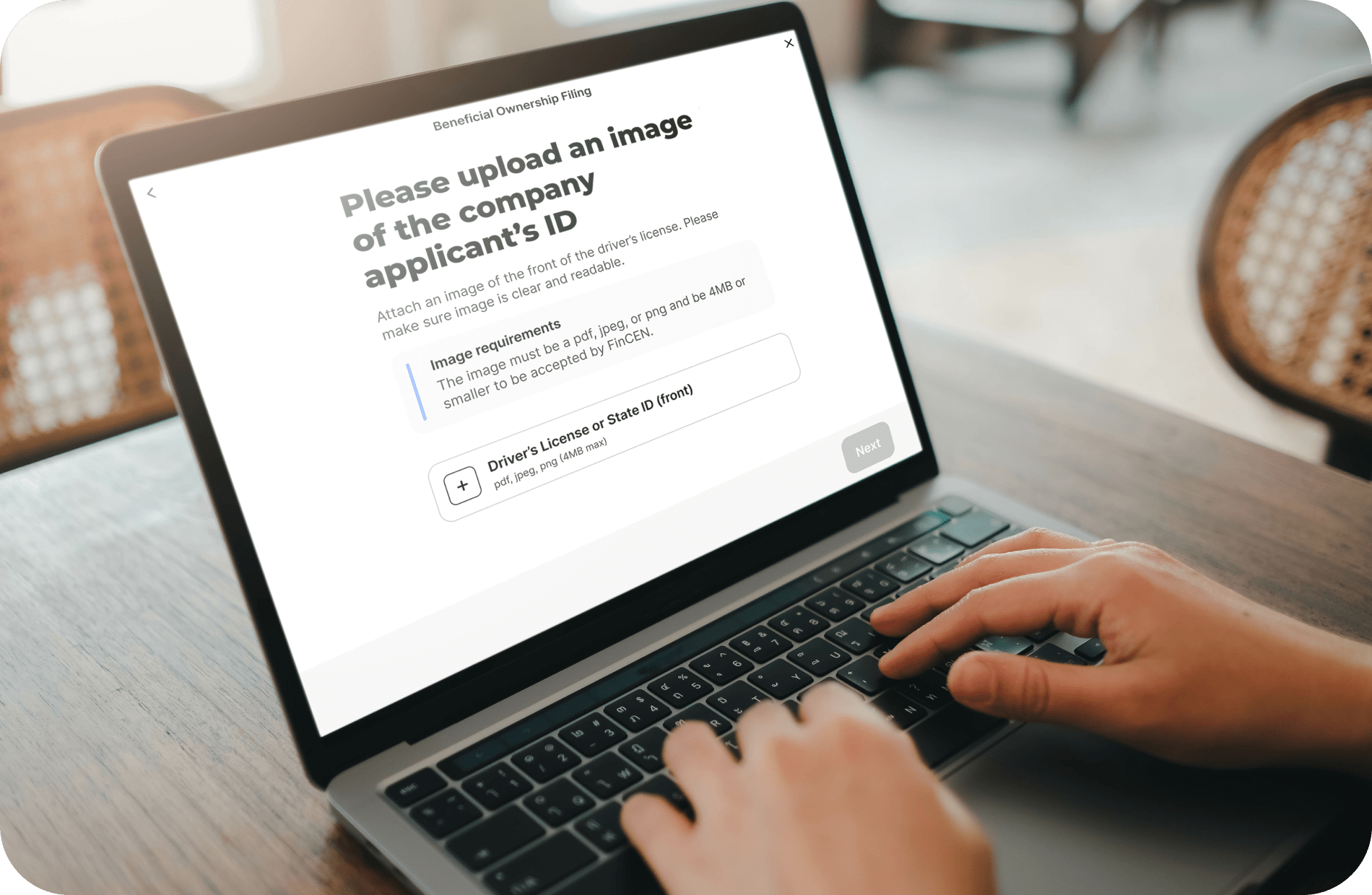
The CTA, BOI and FinCEN: What Business Owners in Oregon, WI Should Do Next


The Corporate Transparency Act may require certain U.S. companies to disclose beneficial ownership information to FinCEN to combat financial crimes.

While a Texas federal district court’s preliminary injunction puts this requirement on hold, many experts expect that to be overturned. In that event, failure to file could lead to fines of $500 per day, up to a maximum of $10,000, and possible criminal penalties.

However, filing your Beneficial Ownership Information (BOI) report will help you avoid fines if this injunction is overruled. Waiting could mean scrambling to meet compliance requirements or penalties. ZenBusiness offers professional BOI compliance tools and simple directions for those interested in addressing these worries now, expediting timely completion with easy accuracy.


1. Determine if Your Business Must File.

A ‘reporting company’ is any small business, corporation, or LLC that is registered with the state, unless exempt. Exemptions apply to publicly traded companies, banks, and charities. For example, a local coffee shop in Oregon, WI would likely need to file a BOI report.

2. Identify Your Beneficial Owners.

A ‘beneficial owner’ is someone who either has substantial control over a company or owns at least 25% of it. For instance, in the context of a small furniture restoration business in Oregon, a partner who owns 40% of the company and is actively involved in making major operational and financial decisions qualifies as a beneficial owner.

3. Gather the Required Information.

Prepare:

  • Business name, address, and EIN.

  • Beneficial owners’ names, addresses, DOBs, and ID details.

4. File Your BOI Report.

Deadlines:

  • Existing businesses: File by 01/01/2025.

  • New companies (2024): File within 90 days of formation.

  • New companies (2025+): File within 30 days of formation.

Business owners can stay on top of compliance by filing now through ZenBusiness, whose straightforward guidance and tools make meeting the FinCEN regulations easy and quick.

Additional Resources:

We want to hear from you!

Join us in making a difference by completing our BOI survey before December 18, 2024—every 25 responses will earn our Chamber a $100 donation! Take the survey here! We appreciate your support!

As of December 3, 2024, a Texas federal district court has issued a preliminary injunction for all states to block the CTA and its relevant regulations. However, filing your BOI will help you avoid fines if this injunction is overruled.

 
Oregon Area Chamber of Commerce